
Discover why top tech companies hiring coding bootcamp graduates are setting a new trend in the tech industry. Explore job opportunities, skills, and hiring tips.

In recent years, coding bootcamps have emerged as a popular alternative to traditional computer science degrees. They offer intensive training programs that equip students with the skills needed to enter the tech industry quickly. As a result, many tech companies are now hiring coding bootcamp graduates. This article explores the reasons behind this trend and highlights some of the leading tech companies that are open to hiring bootcamp alumni.
The Rise of Coding Bootcamps
Coding bootcamps have become a significant part of the tech education landscape. These programs typically last from a few weeks to several months, focusing on teaching practical skills in programming, web development, data science, and more. Their curriculum is often designed in collaboration with industry experts, ensuring that students learn the most relevant and up-to-date technologies.
The Evolution of Coding Bootcamps
The concept of coding bootcamps has evolved significantly since their inception. Initially, they were short-term programs aimed at providing basic programming skills to beginners. Over time, they have transformed into comprehensive courses that cover a wide range of technical skills, including advanced programming languages, software development methodologies, and emerging technologies like artificial intelligence and blockchain. The evolution of coding bootcamps is driven by the increasing demand for tech talent in the industry. As technology continues to advance rapidly, traditional educational institutions have struggled to keep pace with the changing landscape. This gap has been filled by bootcamps, which offer flexible and up-to-date training to meet the industry’s needs. Moreover, coding bootcamps have expanded their scope to cater to specific niches within the tech industry. Today, there are bootcamps focused on areas such as cybersecurity, data science, UX/UI design, and DevOps, providing specialized training for students interested in these fields. This diversification has further contributed to the popularity and relevance of bootcamps in the tech ecosystem.
The Cost and Accessibility of Bootcamps
One of the key advantages of coding bootcamps is their cost-effectiveness compared to traditional computer science degrees. While a four-year degree can be a significant financial burden, bootcamps offer an affordable alternative that provides a high return on investment. Many bootcamps also offer flexible payment options, including income share agreements, which allow students to pay tuition after securing employment.

Accessibility is another factor that has contributed to the rise of coding bootcamps. These programs are designed to accommodate students from various backgrounds, including those without prior tech experience. Many bootcamps offer online courses, enabling students to learn at their own pace and from any location. This accessibility makes it possible for individuals with diverse life circumstances to pursue a career in tech. Additionally, bootcamps often have lower barriers to entry compared to traditional degree programs. While computer science degrees may require prior academic qualifications or standardized test scores, bootcamps focus on assessing a candidate’s passion and potential for learning. This inclusive approach opens doors for individuals who may have been excluded from traditional education paths.
The Collaborative Approach to Curriculum Development
The curriculum of coding bootcamps is often developed in collaboration with industry experts and tech companies. This collaborative approach ensures that the training provided is relevant to the current demands of the job market. by working closely with industry professionals, bootcamps can identify the skills that are most sought after by employers and tailor their programs accordingly. Industry partnerships also provide bootcamp students with valuable networking opportunities. Guest lectures, workshops,and mentorship programs allow students to connect with professionals who can offer guidance and insights into the tech industry. These connections can be instrumental in helping bootcamp graduates secure job placements and advance their careers. Furthermore, the collaborative curriculum development process allows bootcamps to quickly adapt to changes in technology and industry trends. As new programming languages and tools emerge, bootcamps can update their courses to ensure that students are equipped with the latest skills. This agility is a significant advantage over traditional educational institutions, which oftenhave lengthy approval processes for curriculum changes.
Why Tech Companies Hire Bootcamp Graduates
Tech companies recognize the value that coding bootcamp graduates bring to the table. Here are some reasons why they are increasingly open to hiring them:
Practical Skills and Real-World Experience
Bootcamp graduates often possess hands-on experience with real-world projects, making them ready to hit the ground running. Unlike traditional degree programs that may focus heavily on theoretical concepts, bootcamps emphasize practical application. Students work on projects that simulate real-world scenarios, allowing them to develop the skills needed to solve complex problems. This practical experience is highly valued by tech companies, as it reduces the time and resources required for onboarding new employees. Bootcamp graduates can quickly contribute to projects and collaborate effectively with team members, resulting in increased productivity and efficiency. Moreover, many bootcamps partner with tech companies to offer internship opportunities and capstone projects. These experiences provide students with exposure to actual work environments and help them build a portfolio of completed projects. Employers appreciate this tangible evidence of a candidate’s abilities, making bootcamp graduates attractive hires
Up-to-Date Knowledge and Adaptability
The fast-paced nature of bootcamps means that graduates are trained in the latest technologies and industry trends. Bootcamps continuously update their curricula to reflect the evolving tech landscape, ensuring that students acquire relevant skills. This focus on current technologies makes bootcamp graduates particularly appealing to employers looking to stay competitive in the industry.

In addition to technical skills, bootcamp graduates often demonstrate adaptability and a willingness to learn quickly. The intensive nature of bootcamp programs requires students to absorb large amounts of information in a short period. This ability to adapt to new challenges and learn rapidly is a valuable asset in the tech industry, where change is constant. Furthermore, bootcamp graduates are accustomed to working in agile environments. Many bootcamps incorporate agile methodologies into their training, teaching students how to work collaboratively in teams and respond to changing project requirements. This experience prepares graduates to thrive in dynamic work settings and contribute effectively to innovative projects.
Diverse Backgrounds and Unique Perspectives
Many bootcamp students come from various professional backgrounds, bringing fresh perspectives and problem- solving skills. This diversity is increasingly recognized as a strength in the tech industry, where different viewpoints can lead to more innovative solutions. Employers appreciate the unique experiences and insights that bootcamp graduates bring to their teams. The diverse backgrounds of bootcamp graduates contribute to a more inclusive and collaborative work environment. Individuals with different life experiences and expertise can offer new approaches to tackling challenges and improving processes. This diversity of thought can lead to more creative and effective solutions, benefiting both the company and its customers. Additionally, bootcamps often attract individuals who are passionate about making a career change. This passion and motivation drive bootcamp graduates to excel in their new roles and contribute positively to their organizations. Employers value this enthusiasm and dedication, as it translates into higher levels of engagement and productivity.
Motivation and Adaptability: The Bootcamp Mindset
Completing a coding bootcamp requires dedication and a willingness to learn quickly, qualities that tech companies value. Bootcamp graduates often demonstrate a strong work ethic and a commitment to continuous improvement. The intensive nature of bootcamp programs fosters resilience and perseverance, equipping graduates with the mindset needed to succeed in the tech industry. The bootcamp mindset emphasizes a growth-oriented approach to learning and problem solving. Graduates are encouraged to embrace challenges and view setbacks as opportunities for growth. This mindset aligns with the values of many tech companies, which prioritize innovation and a willingness to take risks. Moreover, the collaborative learning environment in bootcamps helps students develop strong communication and teamwork skills. Graduates learn how to effectively collaborate with peers, giving and receiving feedback constructively. These interpersonal skills are essential for success in tech roles, where teamwork and collaboration are key to achieving project goals.
Tech Industry Jobs for Bootcamp Graduates
The tech industry offers a wide range of opportunities for coding bootcamp graduates. Here are some of the most common job roles they pursue:

Software Developer
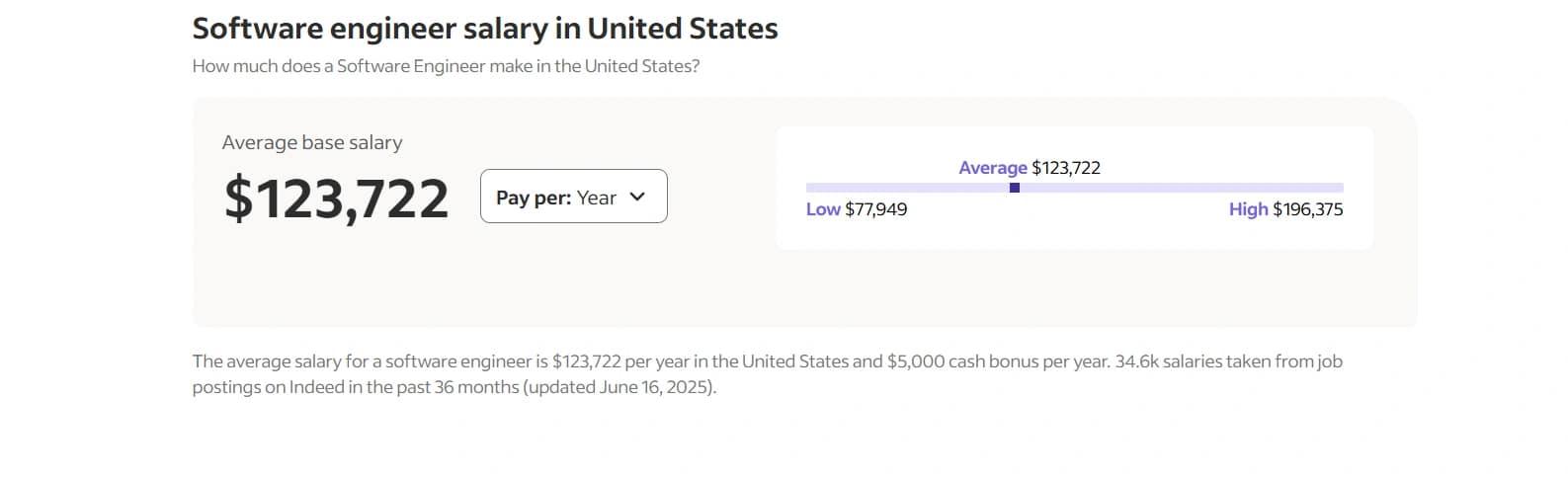
Software developers are in high demand across the tech industry. Bootcamp graduates can find roles in developing software applications, websites, and mobile apps. They work closely with other developers, designers, and product managers to bring ideas to life.
The Role of a Software Developer
Software developers are responsible for designing, coding, testing, and maintaining software applications. They use programming languages such as Java, Python, and JavaScript to create software solutions that meet user needs. Developers work on a variety of projects, from building web applications to developing mobile apps and enterprise software. In addition to writing code, software developers collaborate with cross-functional teams to gather requirements and define project specifications. They participate in code reviews and contribute to the overall architecture and design of software systems. This collaborative approach ensures that software solutions are robust, scalable, and meet quality standards.
Software developers also engage in continuous learning to keep up with new technologies and industry trends. They explore new programming languages, frameworks, and tools to enhance their skills and improve their development processes. This commitment to learning and innovation is essential for success in the ever-evolving tech industry.
Data Analyst
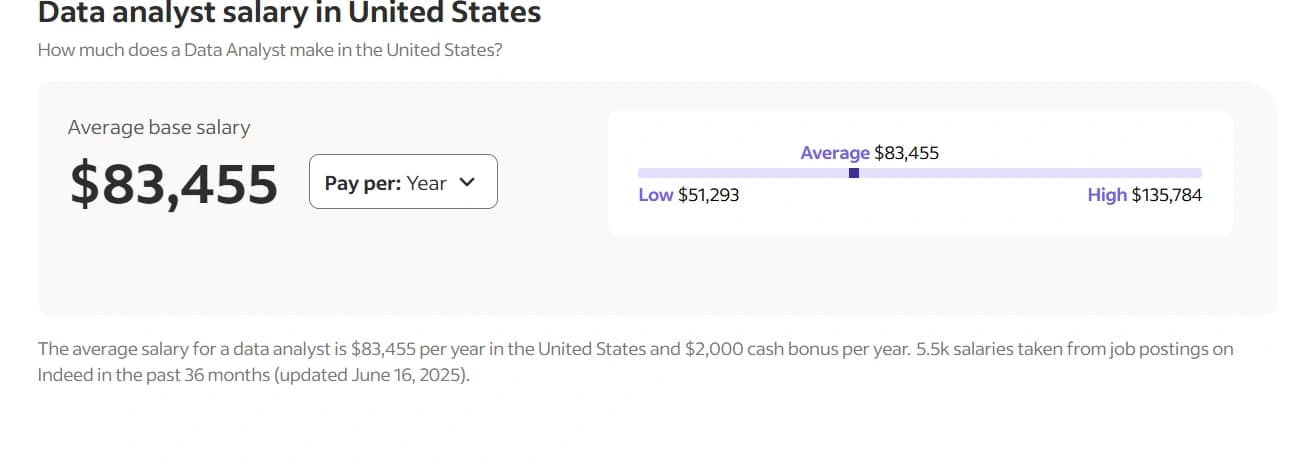
With the increasing importance of data in decision-making, data analysts are essential in the tech industry. Bootcamp graduates with a focus on data science can find opportunities in analyzing and interpreting complex datasets to help companies make informed decisions.
The Role of a Data Analyst
Data analysts are responsible for collecting, processing, and analyzing data to extract valuable insights. They use statistical techniques and data visualization tools to identify patterns, trends, and correlations within datasets. By interpreting data, analysts provide actionable recommendations that support business decision-making.
In addition to data analysis, data analysts work closely with stakeholders to understand their informational needs and deliver relevant insights. They create reports and dashboards that communicate findings effectively to non-technical audiences. This ability to translate complex data into meaningful insights is critical for driving strategic initiatives and achieving business objectives. Data analysts also collaborate with data engineers and data scientists to ensure data quality and integrity. They contribute to data cleaning and preprocessing tasks, ensuring that datasets are accurate, consistent, and ready for analysis. This collaborative approach ensures that data-driven decisions are based on reliable and trustworthy information.
UX/UI Designer
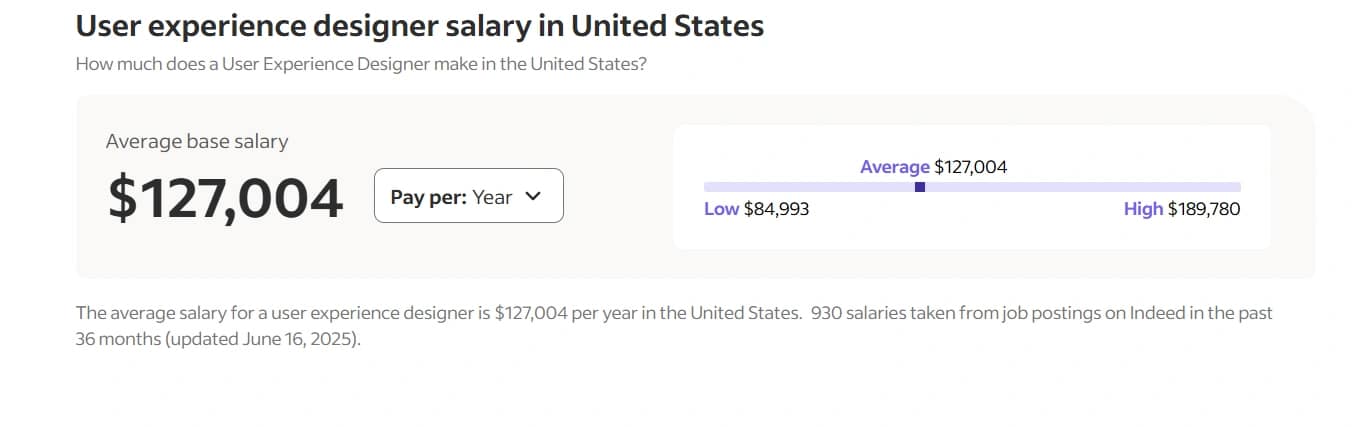
User experience (UX) and user interface (UI) designers play a crucial role in creating user-friendly and visually appealing digital products. Bootcamp graduates with design skills can find roles in designing websites, apps, and other digital platforms.
The Role of a UX/UI Designer
UX/UI designers are responsible for designing intuitive and engaging user interfaces that enhance the overall user experience. They conduct user research to understand user needs and preferences, creating wireframes, prototypes, and design mockups that align with user expectations. Designers collaborate with developers and product managers to ensure that design concepts are translated into functional products.
In addition to visual design, UX/UI designers focus on usability and accessibility. They conduct usability testing to gather feedback and make iterative improvements to design solutions. By prioritizing user-centric design principles, designers create products that are easy to navigate, visually appealing, and enjoyable to use. UX/UI designers also stay informed about design trends and emerging technologies. They explore new design tools, methodologies, and frameworks to enhance their design processes and deliver innovative solutions. This commitment to continuous learning and experimentation is essential for staying competitive in the design industry.
DevOps Engineer
DevOps engineers bridge the gap between development and operations teams, ensuring smooth and efficient software delivery. Coding bootcamp graduates with a focus on DevOps can find opportunities in automating and optimizing development processes.
The Role of a DevOps Engineer
DevOps engineers are responsible for implementing and managing the infrastructure and processes that support software development and deployment. They use automation tools and practices to streamline development workflows, enabling teams to deliver software faster and more reliably. DevOps engineers work closely with developers, system administrators, and IT operations teams to ensure seamless integration and collaboration.
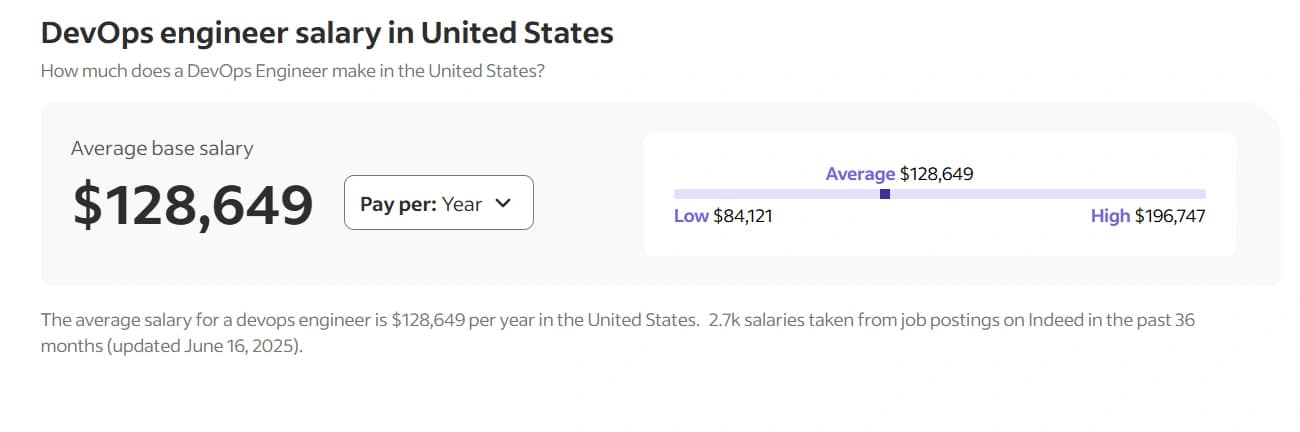
In addition to automation, DevOps engineers focus on monitoring and performance optimization. They use monitoring tools to track system performance, identify bottlenecks, and ensure high availability and scalability. By implementing continuous integration and continuous deployment (CI/CD) pipelines, engineers enable rapid and efficient software releases. DevOps engineers also prioritize security and compliance, ensuring that software systems are protected against vulnerabilities and adhere to industry standards. They implement security best practices and conduct regular audits to maintain a secure and compliant infrastructure. This holistic approach to DevOps ensures that software development processes are efficient, reliable, and secure.
Cybersecurity Specialist
As cyber threats continue to grow, cybersecurity specialists are in high demand. Bootcamp graduates with a focus on cybersecurity can find roles in protecting company data and systems from cyberattacks.
The Role of a Cybersecurity Specialist
Cybersecurity specialists are responsible for safeguarding an organization’s digital assets and systems from cyber threats. They implement security measures, such as firewalls, encryption, and intrusion detection systems, to protect against unauthorized access and data breaches. Specialists monitor network traffic and analyze security incidents to identify vulnerabilities and respond to potential threats.

In addition to threat detection and response, cybersecurity specialists conduct regular security assessments and audits to ensure compliance with industry regulations and standards. They develop and implement security policies and procedures, providing training and awareness programs to educate employees about security best practices. Cybersecurity specialists also stay informed about the latest threat intelligence and security technologies. They explore new security tools, methodologies, and frameworks to enhance their security posture and mitigate emerging risks. This commitment to continuous learning and adaptation is essential for staying ahead of cyber threats and protecting sensitive information.
Leading Tech Companies Hiring Bootcamp Graduates
Many tech companies are open to hiring coding bootcamp graduates, recognizing their potential to contribute to their teams. Here are some of the top companies that have embraced this hiring trend:

Google is known for its inclusive hiring practices and values diversity in its workforce. The company has hired bootcamp graduates for roles in software development, data analysis, and more. Google’s commitment to innovation and learning aligns well with the skills and mindset of bootcamp graduates.
Google’s Inclusive Hiring Practices
Google’s inclusive hiring practices emphasize the importance of diversity and equal opportunity in the workplace. The company actively seeks candidates from diverse educational backgrounds, including coding bootcamp graduates, to foster a culture of innovation and creativity. By valuing diverse perspectives, Google creates an environment where employees can thrive and contribute to groundbreaking projects. Bootcamp graduates at Google have the opportunity to work on cutting-edge technologies and contribute to projects that impact millions of users worldwide. The company’s commitment to continuous learning and professional development supports bootcamp alumni in advancing their skills and achieving their career goals. Google also offers various programs and initiatives to support bootcamp graduates, such as mentorship programs, workshops, and networking events. These resources provide valuable support for career growth and help graduates build meaningful connections within the tech industry.
Opportunities for Bootcamp Graduates at Google
Bootcamp graduates at Google can find roles in software development, data analysis, UX/UI design, and more. The company offers opportunities to work on diverse projects, ranging from developing innovative applications to analyzing large datasets for insights. Graduates can leverage their skills and passion to contribute to Google’s mission of organizing the world’s information and making it universally accessible. Google’s internship and rotational programs provide bootcamp graduates with exposure to different areas of the company, allowing them to explore various career paths and find their niche. These programs offer mentorship and guidance from experienced professionals, helping graduates build a strong foundation for their careers. Additionally, Google values continuous learning and encourages employees to pursue further education and skill development. Bootcamp graduates can take advantage of learning resources, training programs, and educational benefits to enhance their expertise and stay ahead of industry trends.
Amazon
Amazon is another tech giant that appreciates the skills coding bootcamp graduates bring. With opportunities in software development, cloud computing, and data analysis, Amazon offers a dynamic environment for bootcamp alumni to thrive.

Amazon’s Commitment to Skill Development
Amazon is committed to fostering a culture of innovation and continuous learning. The company recognizes the value that coding bootcamp graduates bring to its workforce and actively hires individuals with diverse educational backgrounds. Amazon’s emphasis on skill development and career growth aligns with the aspirations of bootcamp alumni seeking to make an impact in the tech industry. Bootcamp graduates at Amazon have the opportunity to work on a wide range of projects, from developing cutting-edge technologies to improving customer experiences. The company’s fast-paced and dynamic environment provides graduates with the chance to tackle complex challenges and contribute to innovative solutions. Amazon also offers various programs and initiatives to support bootcamp graduates, including mentorship opportunities, training programs, and leadership development initiatives. These resources empower graduates to advance their skills, explore new career paths, and achieve their professional goals.
Opportunities for Bootcamp Graduates at Amazon
Bootcamp graduates at Amazon can find roles in software development, cloud computing, data analysis, and more. The company offers opportunities to work on diverse projects, such as developing scalable applications, optimizing cloud infrastructure, and analyzing data for business insights. Graduates can leverage their technical skills and creativity to contribute to Amazon’s mission of being the Earth’s most customer-centric company. Amazon’s rotational programs and apprenticeships provide bootcamp graduates with exposure to different areas of the company, allowing them to explore various career paths and find their niche. These programs offer mentorship and guidance from experienced professionals, helping graduates build a strong foundation for their careers. Additionally, Amazon values continuous learning and encourages employees to pursue further education and skill development. Bootcamp graduates can take advantage of learning resources, training programs, and educational benefits to enhance their expertise and stay ahead of industry trends.
Microsoft
Microsoft has a long history of hiring diverse talent, including coding bootcamp graduates. The company offers roles in software engineering, data science, and UX/UI design, providing bootcamp alumni with opportunities to work on cutting-edge projects.
Microsoft’s Inclusive Workforce Culture
Microsoft is committed to creating an inclusive workforce culture that values diversity and equal opportunity. The company actively seeks candidates from diverse educational backgrounds, including coding bootcamp graduates, to foster a culture of innovation and creativity. By valuing diverse perspectives, Microsoft creates an environment where employees can thrive and contribute to groundbreaking projects. Bootcamp graduates at Microsoft have the opportunity to work on cutting-edge technologies and contribute to projects that impact millions of users worldwide. The company’s commitment to continuous learning and professional development supports bootcamp alumni in advancing their skills and achieving their career goals.

Microsoft also offers various programs and initiatives to support bootcamp graduates, such as mentorship programs, workshops, and networking events. These resources provide valuable support for career growth and help graduates build meaningful connections within the tech industry.
Opportunities for Bootcamp Graduates at Microsoft
Bootcamp graduates at Microsoft can find roles in software engineering, data science, UX/UI design, and more. The company offers opportunities to work on diverse projects, ranging from developing innovative applications to analyzing large datasets for insights. Graduates can leverage their skills and passion to contribute to Microsoft’s mission of empowering every person and organization on the planet to achieve more. Microsoft’s internship and rotational programs provide bootcamp graduates with exposure to different areas of the company, allowing them to explore various career paths and find their niche. These programs offer mentorship and guidance from experienced professionals, helping graduates build a strong foundation for their careers. Additionally, Microsoft values continuous learning and encourages employees to pursue further education and skill development. Bootcamp graduates can take advantage of learning resources, training programs, and educational benefits to enhance their expertise and stay ahead of industry trends.
IBM
IBM has been a pioneer in embracing alternative education paths, including coding bootcamps. The company offers roles in software development, data analysis, and cybersecurity, providing bootcamp graduates with opportunities to work on innovative solutions.
IBM’s Embrace of Alternative Education
IBM is a leader in recognizing the value of alternative education paths, including coding bootcamps. The company actively hires individuals with diverse educational backgrounds, valuing the skills and perspectives that bootcamp graduates bring to its workforce. IBM’s commitment to innovation and learning aligns with the aspirations of bootcamp alumni seeking to make an impact in the tech industry. Bootcamp graduates at IBM have the opportunity to work on a wide range of projects, from developing cutting-edge technologies to improving customer experiences. The company’s focus on research and development provides graduates with the chance to tackle complex challenges and contribute to innovative solutions. IBM also offers various programs and initiatives to support bootcamp graduates, including mentorship opportunities, training programs, and leadership development initiatives. These resources empower graduates to advance their skills, explore new career paths, and achieve their professional goals.
Opportunities for Bootcamp Graduates at IBM
Bootcamp graduates at IBM can find roles in software development, data analysis, cybersecurity, and more. The company offers opportunities to work on diverse projects, such as developing scalable applications, optimizing cloud infrastructure, and analyzing data for business insights. Graduates can leverage their technical skills and creativity to contribute to IBM’s mission of building a smarter planet. IBM’s rotational programs and apprenticeships provide bootcamp graduates with exposure to different areas of the company, allowing them to explore various career paths and find their niche. These programs offer mentorship and guidance from experienced professionals, helping graduates build a strong foundation for their careers. Additionally, IBM values continuous learning and encourages employees to pursue further education and skill development. Bootcamp graduates can take advantage of learning resources, training programs, and educational benefits to enhance their expertise and stay ahead of industry trends.
LinkedIn values the diverse perspectives that bootcamp graduates bring to the table. The company offers roles in software engineering, data analysis, and product design, providing bootcamp alumni with opportunities to contribute to its mission of connecting professionals worldwide.
LinkedIn’s Emphasis on Diversity and Inclusion
LinkedIn is committed to creating an inclusive workplace culture that values diversity and equal opportunity. The company actively seeks candidates from diverse educational backgrounds, including coding bootcamp graduates, to foster a culture of innovation and creativity. By valuing diverse perspectives, LinkedIn creates an environment where employees can thrive and contribute to groundbreaking projects.

Bootcamp graduates at LinkedIn have the opportunity to work on cutting-edge technologies and contribute to projects that impact millions of users worldwide. The company’s commitment to continuous learning and professional development supports bootcamp alumni in advancing their skills and achieving their career goals. LinkedIn also offers various programs and initiatives to support bootcamp graduates, such as mentorship programs, workshops, and networking events. These resources provide valuable support for career growth and help graduates build meaningful connections within the tech industry.
Opportunities for Bootcamp Graduates at LinkedIn
Bootcamp graduates at LinkedIn can find roles in software engineering, data analysis, product design, and more. The company offers opportunities to work on diverse projects, ranging from developing innovative applications to analyzing large datasets for insights. Graduates can leverage their skills and passion to contribute to LinkedIn’s mission of creating economic opportunity for every member of the global workforce. LinkedIn’s internship and rotational programs provide bootcamp graduates with exposure to different areas of the company, allowing them to explore various career paths and find their niche. These programs offer mentorship and guidance from experienced professionals, helping graduates build a strong foundation for their careers. Additionally, LinkedIn values continuous learning and encourages employees to pursue further education and skill development. Bootcamp graduates can take advantage of learning resources, training programs, and educational benefits to enhance their expertise and stay ahead of industry trends.
Tips for Bootcamp Graduates Entering the Tech Industry
Entering the tech industry as a bootcamp graduate can be both exciting and challenging. Here are some tips to help you succeed:

Build a Strong Portfolio
Showcase your skills and projects in a portfolio to demonstrate your abilities to potential employers. A well-curated portfolio highlights your technical expertise, creativity, and problem-solving skills. Include a diverse range of projects that showcase your versatility and ability to work with different technologies. When building your portfolio, focus on quality over quantity. Highlight projects that demonstrate your ability to tackle complex challenges and deliver innovative solutions. Provide detailed explanations of your contributions to each project, including your role, the technologies used, and the impact of your work. Consider including personal projects or freelance work in your portfolio to showcase your passion and initiative. These projects demonstrate your willingness to explore new ideas and contribute to meaningful solutions outside of a formal work setting. A strong portfolio is a powerful tool for making a positive impression on potential employers.
Network with Industry Professionals
Attend tech meetups, conferences, and networking events to connect with industry professionals and learn about job opportunities. Networking is a valuable way to build relationships with individuals who can offer guidance, support, and potential job referrals. Engage in meaningful conversations and express genuine interest in learning from others’ experiences. Leverage online networking platforms, such as LinkedIn, to connect with professionals in your field of interest. Join relevant groups and participate in discussions to expand your network and stay informed about industry trends. Building a strong online presence can increase your visibility and attract potential employers. Consider seeking mentorship from experienced professionals in the tech industry. Mentors can provide valuable insights, career advice, and introductions to potential employers. Establishing a mentor-mentee relationship can accelerate your professional growth and help you navigate the challenges of entering the tech industry.
Continuous Learning
The tech industry is constantly evolving, so it’s essential to keep learning and updating your skills. Stay informed about emerging technologies, programming languages, and industry trends by reading articles, blogs, and research papers. Continuous learning demonstrates your commitment to professional growth and adaptability. Consider enrolling in online courses, workshops, or certifications to enhance your technical skills and knowledge. Many platforms offer free or affordable courses on various tech topics, allowing you to learn at your own pace. Acquiring new skills can increase your value to employers and open up new career opportunities. Participate in hackathons, coding challenges, or open-source projects to gain practical experience and collaborate with other developers. These activities provide opportunities to apply your skills to real-world problems and build a network of like-minded individuals. Embracing a growth-oriented mindset will help you thrive in the dynamic tech industry.
Tailor Your Resume
Customize your resume for each job application, highlighting the skills and experiences that are most relevant to the role. Tailoring your resume demonstrates your attention to detail and genuine interest in the position. Use keywords from the job description to align your resume with the requirements and responsibilities of the role. Focus on quantifiable achievements and results in your resume. Highlight specific projects, contributions, and outcomes that showcase your impact and value to previous employers. Use action verbs to convey your accomplishments and demonstrate your ability to drive results. Include a summary or objective statement that highlights your career goals and aligns with the position you’re applying for. This statement provides context for your application and allows you to communicate your passion and motivation to potential employers. A well-crafted resume increases your chances of standing out to hiring managers.
Prepare for Interviews
Practice common technical interview questions and be ready to discuss your projects and problem-solving approach. Technical interviews often assess your ability to solve coding challenges, design algorithms, and explain your thought process. Prepare by reviewing data structures, algorithms, and coding concepts relevant to the role.

In addition to technical skills, interviewers may evaluate your soft skills, such as communication, teamwork, and adaptability. Practice articulating your ideas clearly and confidently, and be prepared to discuss how you’ve collaborated with others to achieve project goals. Research the company and its culture before the interview to demonstrate your interest and alignment with its values. Prepare thoughtful questions to ask the interviewer, showing your curiosity and eagerness to learn more about the role and organization. Effective interview preparation increases your confidence and likelihood of success.
Conclusion
Coding bootcamps have become a viable pathway into the tech industry, offering students the skills and experiences needed to succeed in various tech roles. With many leading tech companies open to hiring bootcamp graduates, there are ample opportunities for those looking to start or advance their careers in tech. By staying motivated, building a strong network, and continuously learning, bootcamp graduates can thrive in the dynamic and ever-evolving tech industry.